← Back to Work
Fashion & Retail · Logistics
Bringing digital workflows into a physical environment
"Five systems, no single source of truth. Manual workarounds every single day."
"Five systems, no single source of truth. Manual workarounds every single day."
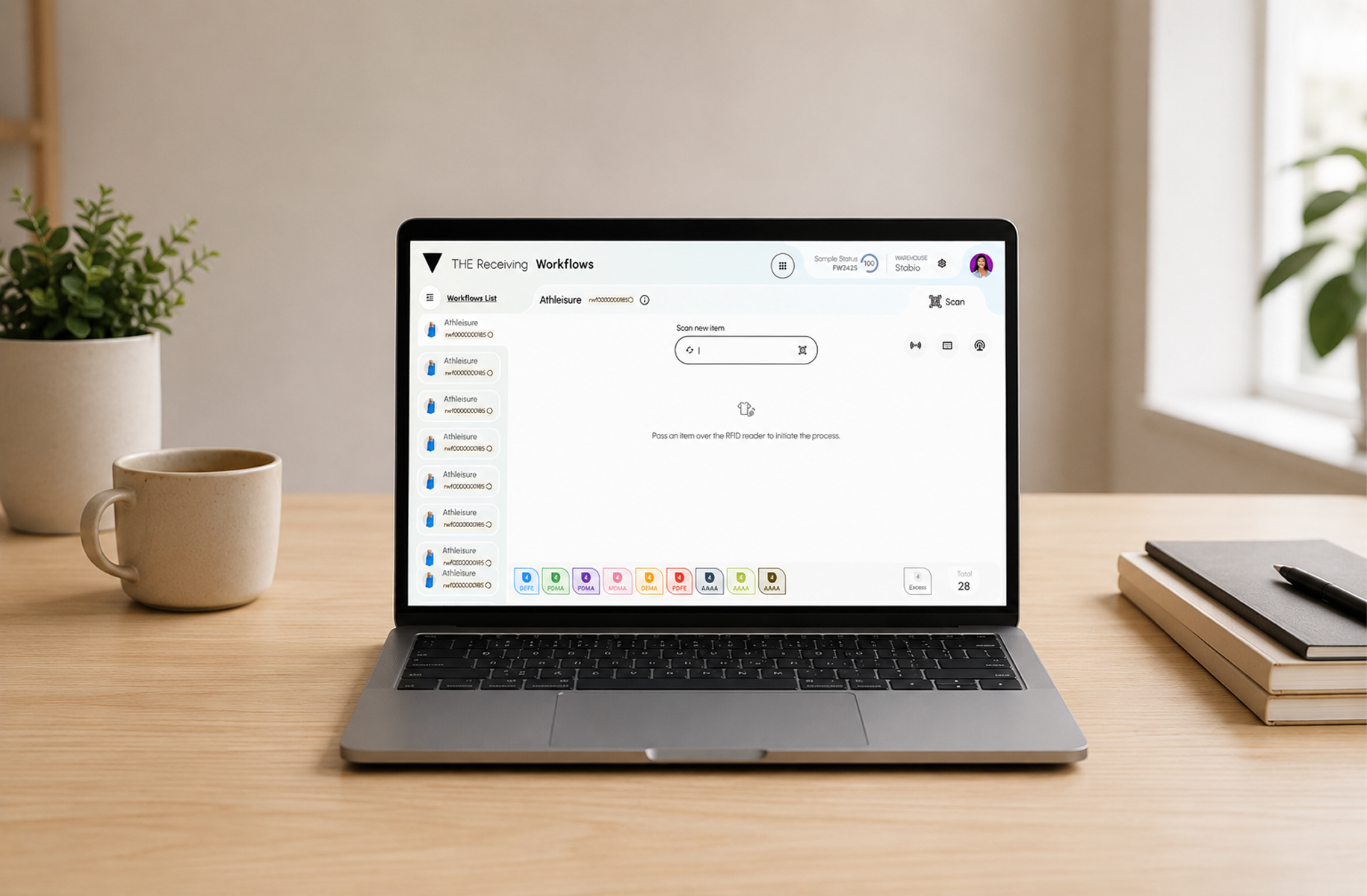
The client is a globally recognized fashion brand operating complex supply chain distribution flows across multiple countries. Internal teams needed a reliable way to manage, execute and monitor the loading of factories, allowing the tracking of goods with minimal friction.
5 systems unified
Warehouse teams tracked goods across 5 systems: spreadsheets, Microsoft Teams, paper forms, two legacy tools. No single moment where a manager could see what was actually happening. Every shift started with a 20-minute reconciliation before any real work.
5 systems
switched between constantly
20 min
daily reconciliation ritual before shifts
Before opening Figma, spent time on the warehouse floor. Mapped how goods moved from unloading to scanning to staging, and found that the 5 systems were each covering a gap the others left open.
The constraints shaped every decision: tablet-first UI, large touch targets for gloved hands, readable in low light, max 2 taps to complete any core action. No dropdowns. No modals. No jargon.
Unified the 5 systems into a single real-time timeline visible to every role: pickers, managers, and dispatch. For the first time, a shift could start without a 20-minute catch-up.
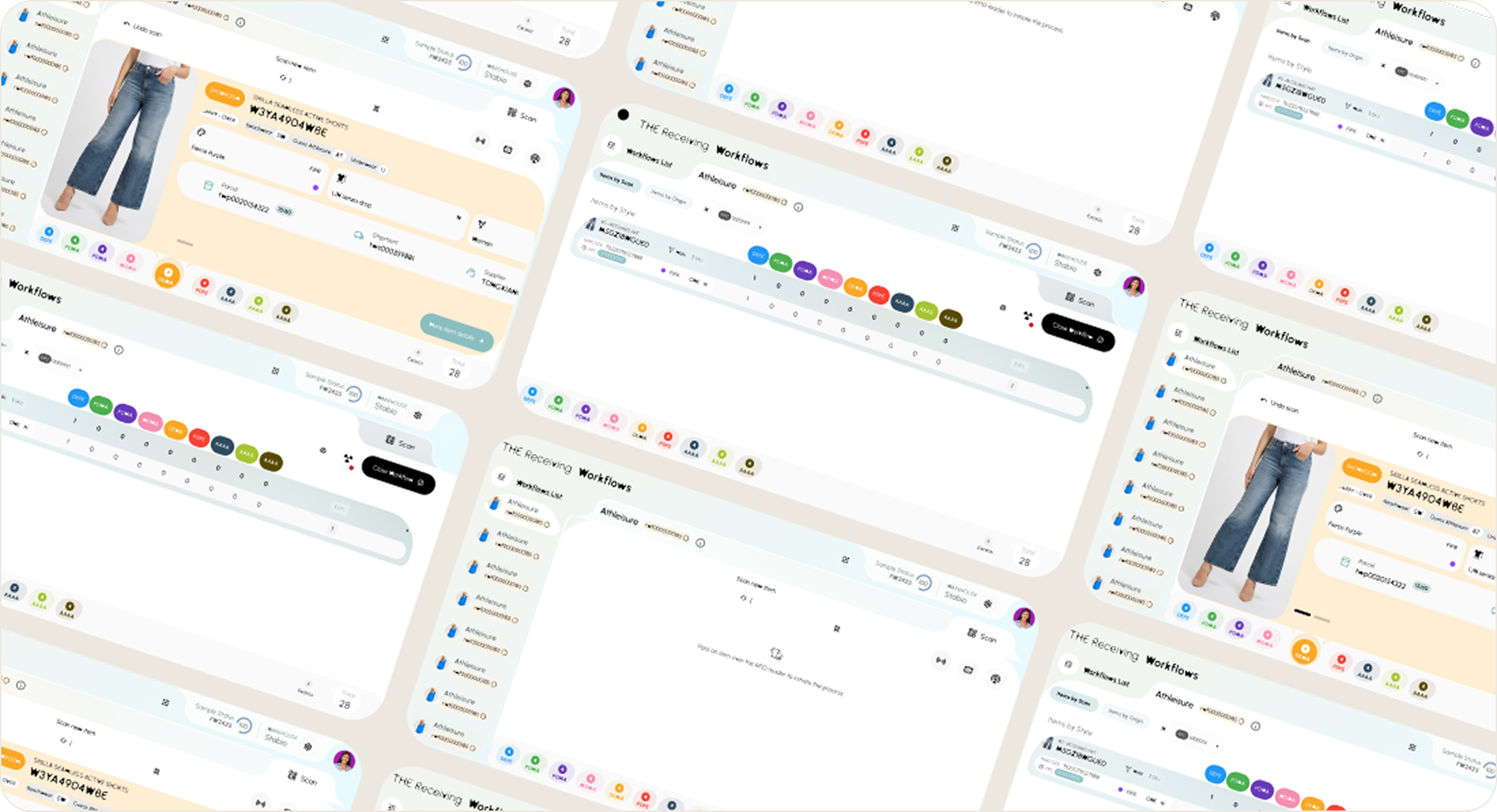
Five disconnected systems replaced by one unified interface
Real-time visibility: every team member sees the same status
Designed for physical context: large targets, offline mode, no jargon
If I could go back, I'd have spent more time with night-shift workers, not just day teams. The workflow changed significantly after midnight, and we only discovered this in user testing, not in research. Always interview the edge cases first.